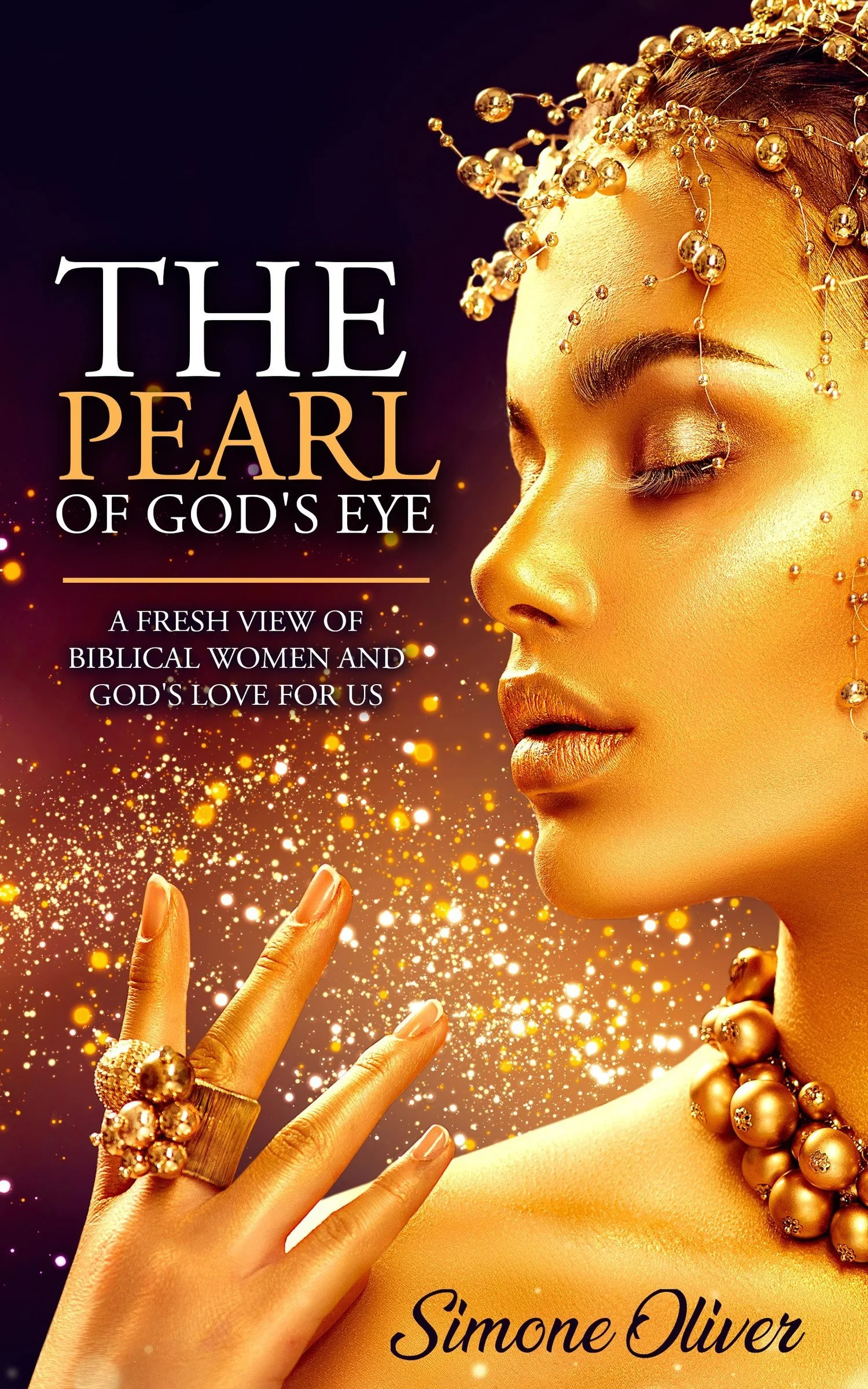

An author website does not need dozens of pages. It needs to answer a few important questions quickly: Who are you? What do you write? Which book should a new reader try first? How can someone stay in touch?
When those answers are buried, even a beautiful site can feel unfinished. The strongest author websites give visitors a clear path without making them study the navigation.
Start with one clear sentence
The top of your homepage should explain your work in plain language. "Award-winning storyteller" sounds polished, but it does not tell a visitor whether you write cozy mysteries, military history, or practical business books.
Try a sentence that combines your category and the experience you offer. A romance author might promise emotionally grounded small-town stories. A nonfiction author might help first-time founders build calmer companies. Specific language helps readers recognize themselves.
Put the books where people can see them
Your newest or most important book should appear near the top of the homepage with a readable cover, a short hook, and an obvious button. If you write a series, show the reading order. If every book stands alone, group them by genre or audience.
Use a consistent cover image, title, and description across your website and retailer pages. Our guide to aligning your cover, description, and metadata explains why that consistency matters.
Give each book its own page
A useful book page includes:
- A clean cover image and concise description
- Retailer or direct-purchase links
- Format and series information
- A short review excerpt, when you have permission to use it
- Book-club questions, bonus material, or a sample chapter when relevant
One permanent page per book also gives reviewers, podcasters, librarians, and search engines a dependable URL to reference.
Make your email list worth joining
"Subscribe to my newsletter" explains the action, not the benefit. Tell readers what they will receive and how often. Monthly notes, behind-the-scenes research, new-release alerts, or a useful reader magnet are all clearer promises.
Keep the signup form short. An email address is usually enough. Every extra field creates another reason to leave.
Write an About page for readers
Your biography should support the books. Include the experience or interests that make you a credible guide to the subject, but do not turn the page into a complete résumé. Fiction writers can share the places, questions, or traditions that shape their stories without inventing an overly dramatic origin story.
Provide a short downloadable bio and a high-resolution headshot for event organizers and media contacts. That small courtesy can make it easier for someone to feature you correctly.
Remove the common friction points
Before launch, test the site on a phone and check every purchase link. Make sure text is readable, buttons are distinct, images are compressed, and the contact method works. Add a privacy notice if you collect email addresses or analytics data.
Avoid autoplay audio, crowded pop-ups, and a homepage that begins with several paragraphs of backstory. A reader should not have to close three boxes before learning what you write.
A practical five-page structure
Most independent authors can begin with Home, Books, About, News or Articles, and Contact. Add a dedicated media page when interviews and events become frequent. Add resources only when you can maintain them.
The goal is not to look larger than you are. It is to make the next step easy for the right reader. A focused website, a recognizable cover, and a clear book description work together as one professional introduction.
If your book presentation needs a stronger visual foundation, tell I Love My Cover about your project.